Why Companies Should Seriously Consider Selling in Japan

For companies seeking sustainable growth, Japan represents one of the most attractive, stable, and integrity-driven markets in the world. Despite its reputation for being selective and culturally complex, Japan consistently rewards those who approach it strategically—with high customer loyalty, predictable profitability, and long-term brand value.

Below are key reasons why entering Japan should be part of every company’s international growth strategy.


1. A High-Value Market That Rewards Quality

Japan is the third-largest economy globally, with consumer spending power that rivals the United States and Europe. But what makes Japan truly distinctive is not its size—it’s the depth and durability of its demand.
Japanese consumers value performance, craftsmanship, and service. Products that meet these expectations often enjoy premium pricing and remarkable brand longevity..


2. Business Culture Built on Trust and Integrity

Japan’s commercial environment is one of the most transparent and ethical in the world. Contracts are respected, invoices are paid on time, and business relationships are built on mutual trust rather than short-term opportunism.
For global executives used to managing risk in volatile or opaque markets, Japan offers a predictable, rules-based ecosystem where ethical business still holds real competitive advantage.


3. Long-Term Partnerships Over Quick Transactions

Japanese distributors and corporate clients rarely switch suppliers without cause. Once trust is established, relationships tend to be long-lasting and mutually beneficial.
This stability reduces churn, lowers business development costs over time, and allows companies to build steady recurring revenue from a mature and loyal customer base.


4. Strategic Gateway to Asia

A successful presence in Japan often becomes a springboard into broader Asia-Pacific expansion. Japanese partners, investors, and distributors carry global credibility, and a product that succeeds in Japan gains reputational leverage across Asia.
Many companies have found that “validated in Japan” opens doors not only in Korea, Taiwan, and Singapore, but even in Western markets where Japanese endorsement signals reliability and quality.


5. Exceptional Infrastructure and Supply Chain Reliability

Japan’s infrastructure—from logistics to data networks—is world-class. Distribution networks operate with near-perfect reliability, and the country’s advanced e-commerce, healthcare, and manufacturing ecosystems make it an ideal environment for precision-driven products and services.
For companies concerned with supply chain disruption or counterfeit risk, Japan offers a secure, transparent, and well-regulated platform for commercial operations.


6. A Market That Strengthens Your Global Brand

Doing well in Japan is more than a commercial success—it’s a statement of capability. Japanese consumers and corporate buyers are among the world’s most discerning. If your product meets their expectations, it can meet anyone’s.
Global companies often find that success in Japan enhances brand reputation, investor confidence, and competitive positioning worldwide.


7. Strong Legal and IP Protection Framework

Japan’s intellectual property laws and enforcement mechanisms rank among the most robust globally. For companies in pharmaceuticals, medtech, software, and design, this makes Japan a safe market for technology transfer, innovation partnerships, and high-value intellectual assets.


Final Word: Japan Rewards Serious, Strategic Entrants

Japan is not a market for opportunistic or short-term players. It demands commitment, quality, and cultural understanding. But for companies that invest properly, Japan delivers steady profits, low business risk, and unmatched reputational value.

At Invision Japan, we specialize in helping companies enter, manage, and grow their business in Japan—bridging the cultural gap and aligning local partners for long-term success.


Distributor Due Diligence in Life Sciences: Tips, Tricks, and Fixes for Existing Partnerships

Choosing the right distributor is one of the most critical decisions for life sciences companies entering or expanding in a new market. Whether in pharmaceuticals, biopharmaceuticals, medical devices, or med-tech, the wrong partner can slow growth, damage your brand, or block market access entirely.

This guide offers practical tips for carrying out thorough due diligence when selecting a new distributor, as well as strategies for correcting course in existing partnerships when the initial diligence didn’t reveal key issues.


Part 1: Operational & Commercial Due Diligence for New Distributors

Effective due diligence goes far beyond reviewing financial statements. Assessing whether a distributor can actually sell your product requires a deep dive into operational, commercial, and strategic capabilities.

1. Sales Force Structure and Coverage

  • Number of reps covering your product category.
  • Geographic reach and account segmentation.
  • Experience with similar products or therapeutic areas.

2. Track Record of Product Launches

  • Historical success launching similar products.
  • Time-to-market performance for previous launches.
  • Ability to meet sales targets consistently.

3. Customer Access and Relationships

  • Depth and quality of relationships with hospitals, clinics, labs, or pharmacies.
  • Access to KOLs and decision-makers.
  • Ability to navigate procurement or hospital approval processes.

4. Sales Processes and Metrics

  • Pipeline management and CRM usage.
  • Lead follow-up speed and frequency.
  • Reporting cadence, accuracy, and transparency.

5. Marketing and Promotion Capabilities

  • Preparedness to run product demos, webinars, or scientific events.
  • Existing marketing collateral and ability to adapt it for your product.
  • Budget allocation for promotional campaigns.

6. Team Expertise and Commitment

  • Knowledge of your product’s therapeutic area.
  • Training programs for sales reps.
  • Incentive structures aligned with your growth objectives.

7. Operational Risk Assessment

  • Ability to handle regulatory reporting, cold chain logistics (if applicable), and customer service.
  • Past incidents of compliance failures, stock-outs, or logistical delays.

Tip: Conduct site visits and ride-alongs if possible. Observing the team in action often reveals insights that documents or interviews cannot.


Part 2: Fixing Existing Partnerships When Due Diligence Was Missed or Misleading

Even the most thorough diligence cannot guarantee perfect results. When actual performance falls short, companies can take several steps:

1. Audit and Assess Current Performance

  • Conduct a competency audit: sales, marketing, reporting, regulatory compliance.
  • Compare actual results with initial expectations and contractual KPIs.

2. Improve Visibility and Transparency

  • Require more frequent and structured reporting.
  • Request access to customer or sales data (where possible).
  • Introduce dashboard tracking of key metrics.

3. Reset Expectations and Roles

  • Define clear KPIs and responsibilities moving forward.
  • Conduct workshops or training to align the distributor with your product strategy.

4. Provide Support

  • Offer marketing, sales, or clinical support to help them succeed.
  • Facilitate introductions to KOLs or hospital networks.

5. Plan for Exit or Transition if Needed

  • Maintain the ability to replace or supplement the distributor if performance doesn’t improve.
  • Include contingency clauses in agreements for future transitions.

Key Insight: It is much easier and cheaper to prevent issues upfront than to correct them later, but structured audits and incremental intervention can salvage underperforming relationships.


Key Takeaways

  • Due diligence is multi-dimensional: Commercial, regulatory, financial, strategic, and operational aspects all matter.
  • Standardized scoring systems help compare potential distributors objectively.
  • Missed diligence isn’t a lost cause: Audit, support, reset expectations, and maintain exit options.
  • Long-term foresight is critical: Changing distributors later is expensive and disruptive — plan and structure your agreements accordingly.

At Invision Japan, we help life sciences companies thoroughly vet new distributors and rescue underperforming partnerships in Japan. Whether you’re entering the market or correcting course, structured assessment and proactive management are the keys to sustained success.

Why Good Products Fail in Japan: It’s Not Always the Market

Many global executives are told the same story when sales in Japan disappoint:
“Japan is a difficult market.”
“Customers here are conservative.”
“The regulations are too strict.”

While there is truth in each of these statements, they are often used as a shield. In reality, many good products fail in Japan not because of the market itself, but because of issues closer to home: the structure, incentives, and performance of the chosen distributor or partner.


The Market Isn’t Always the Problem

Japan is the world’s third-largest economy. Customers here buy new medical devices, pharmaceuticals, technologies, and industrial products every day. Competitors launch and succeed. If your product has proven demand elsewhere, it’s unlikely that Japan is uniquely resistant.

What’s far more common is:

  • Distributor passivity – waiting for orders instead of creating demand.
  • Overreliance on existing relationships – your partner only pushes products that already sell.
  • Limited transparency – poor reporting hides weak performance until it’s too late.
  • Excuse-driven culture – “the market isn’t ready” becomes the default explanation for inaction.

Common Failure Patterns

  1. Early enthusiasm, fast fade.
    A Japanese distributor initially invests in the relationship, then quietly shifts focus back to their core products once the “newness” wears off.
  2. Big name, little effort.
    Companies often feel secure signing with a well-known trading house or distributor. But size doesn’t guarantee commitment — your product may never be more than a line item in a catalog.
  3. Blaming culture instead of strategy.
    Politeness masks underperformance. You hear reassurance in meetings, but no sales momentum in the field.

What This Means for You

If your product is struggling in Japan, don’t assume the market is the problem. Instead, ask:

  • Is our distributor really investing in this product, or just holding the license?
  • Are they providing real sales and market feedback, or just excuses?
  • Do we have visibility into their pipeline, customer meetings, and promotional activity?
  • Have we defined performance expectations — and what happens if they’re not met?

Fixing the Problem

Improving distributor performance in Japan isn’t easy — but it is possible. Options include:

  • Resetting the relationship – with clearer expectations, KPIs, and accountability.
  • Providing tools and support – sales training, marketing materials, or market data.
  • Applying pressure – making it clear that underperformance will lead to change.
  • Exploring alternatives – sometimes the right answer is to replace, not repair.

Final Thought

Good products fail in Japan not because of some mysterious barrier in the market, but because of misaligned partnerships, lack of transparency, and unaddressed distributor underperformance.

The market is there. The demand is there. The question is whether your partner is really opening the door — or standing in the way.


At Invision, we specialize in helping companies diagnose and fix partner challenges in Japan. If your product isn’t performing, it may not be the market — it may be your partner. And that can be fixed.

Why Japanese Distributors Can Be Your Best Ally – If You Manage the Relationship Well

When a company considers entering Japan, one of the first strategic choices is whether to establish a local office or work through a Japanese distributor. While both options have merit, the right distributor can be a remarkably effective way to launch, grow, and sustain your business in this unique market.

And yes—there are common stereotypes about Japanese distributors. Many of them are rooted in truth, and in the right context, they can be powerful advantages.


Positive Stereotypes (That Often Work in Your Favor)

  1. Long-Standing Relationships
    Many Japanese distributors have cultivated deep ties with customers, partners, and regulators over decades. That “relationship capital” can open doors that would take years to access on your own.
  2. Meticulous Quality and Attention to Detail
    From packaging to logistics to after-sales service, Japanese distributors often hold themselves to exacting standards that protect your brand’s reputation.
  3. Reliability and Consistency
    Commitments are taken seriously—deadlines are met, rules are followed, and promises are kept. That consistency can dramatically reduce operational headaches.
  4. Market Knowledge and Cultural Insight
    A seasoned distributor doesn’t just know the customer list—they understand how decisions are made, what customers value, and how to navigate competitive landscapes.
  5. Administrative and Regulatory Expertise
    Japan’s import rules, product certifications, and tax systems can be complex. Many distributors manage these processes in-house, sparing you the learning curve and overhead of doing it yourself.

Benefits of using a Distributor

Whether you sell consumer goods, industrial equipment, technology, or healthcare products, a strong Japanese distributor can:

  • Accelerate uptake by tapping into established networks
  • Minimize fixed costs by avoiding the expense of building a subsidiary
  • Reduce cultural and operational risk by letting a local partner handle sensitive relationship management

But—No “Set and Forget”

Even the most capable distributor needs active engagement to stay aligned with your goals. Risks include:

  • Over-cautious sales approaches that slow market penetration
  • Focus on familiar segments at the expense of new opportunities
  • Limited transparency on pricing, market data, or customer feedback

Without regular, structured communication, momentum can fade.


The Key: Active, Ongoing Partnership

The best results come when companies treat their distributor as a strategic partner, not just a vendor. That means:

  • Setting clear expectations and KPIs from day one
  • Scheduling regular visits and performance reviews
  • Sharing marketing, product, and training resources
  • Maintaining open, two-way communication

Bottom line: A Japanese distributor can be one of your most valuable growth partners—if you choose carefully and manage the relationship proactively. Done right, it gets you to market faster, protects your brand, and saves you from the complexity of going it alone.

If you need help finding, evaluating, or managing a Japanese distributor in any industry, InvisionJapan.com brings decades of hands-on experience to ensure your partnership delivers results.

3 Med-Tech Success Stories in Japan: Key Lessons for Market Entry

Japan’s medical technology market is one of the most advanced and competitive in the world. For foreign med-tech companies, breaking into this market can be challenging, but the rewards are immense. Here are three success stories of med-tech solutions developed outside Japan that have successfully penetrated the Japanese market, along with the key factors that drove their success.


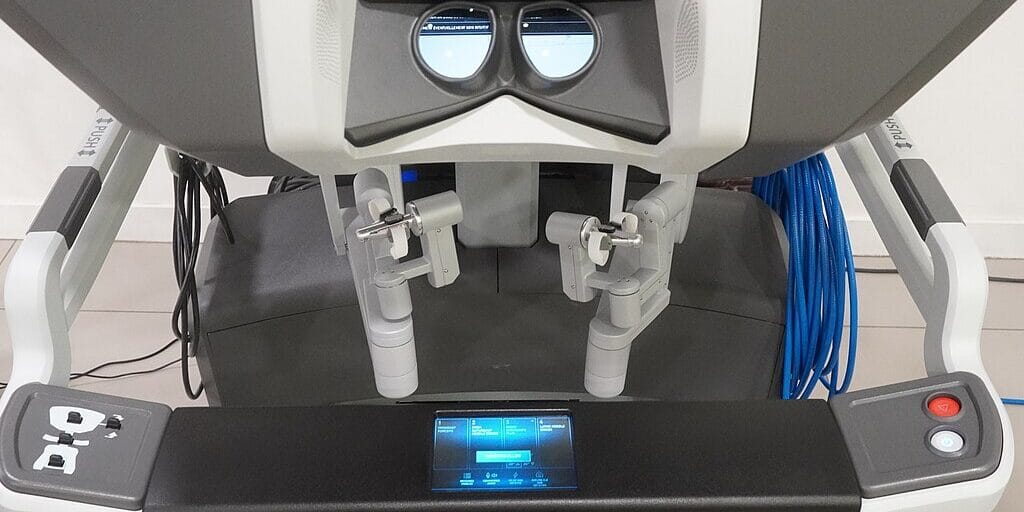
1. Intuitive Surgical’s da Vinci Surgical System

The Product

The da Vinci Surgical System, developed by California-based Intuitive Surgical, is a robotic-assisted surgical platform designed for minimally invasive procedures. It has revolutionized surgeries in urology, gynecology, and general surgery.

Success in Japan

The da Vinci system was introduced to Japan in 2009 and has since become a cornerstone of robotic surgery in the country. As of 2023, over 400 da Vinci systems are installed in Japanese hospitals, making Japan one of the largest markets for the technology outside the United States.

Key Success Factors

  1. Focus on Minimally Invasive Surgery: Japan’s aging population and preference for minimally invasive procedures aligned perfectly with the da Vinci system’s value proposition. The system’s ability to reduce recovery times and improve surgical precision resonated strongly with Japanese surgeons and patients.
  2. Strategic Partnerships: Intuitive Surgical partnered with local distributors and key opinion leaders (KOLs) to build trust and credibility in the Japanese market. They also invested heavily in training programs to ensure surgeons were proficient in using the system.
  3. Reimbursement Strategy: Intuitive Surgical worked closely with Japanese regulators to secure favorable reimbursement for procedures performed using the da Vinci system. This made the technology more accessible to hospitals and patients.

2. Medtronic’s Insulin Pumps for Diabetes Management

The Product

Medtronic, a global leader in medical technology, developed advanced insulin pumps for diabetes management. These devices offer continuous glucose monitoring and automated insulin delivery, improving the quality of life for patients with diabetes.

Success in Japan

Medtronic’s insulin pumps have gained significant traction in Japan, particularly among patients with Type 1 diabetes. The company has established a strong presence in the market, supported by a robust distribution network and localized patient support programs.

Key Success Factors

  1. Addressing a Critical Need: Japan’s aging population and rising diabetes prevalence created a strong demand for innovative diabetes management solutions. Medtronic’s insulin pumps offered a clear clinical benefit, making them highly attractive to Japanese healthcare providers and patients.
  2. Localized Marketing and Support: Medtronic tailored its marketing and patient education programs to meet the specific needs of Japanese patients. They also provided extensive after-sales support, including training for healthcare providers and patients.
  3. Regulatory Collaboration: Medtronic worked closely with the PMDA to ensure timely approvals and compliance with local regulations. Their proactive approach to regulatory engagement helped accelerate market entry.

3. Philips’ Imaging and Diagnostic Solutions

The Product

Philips, a Dutch multinational, offers a wide range of imaging and diagnostic solutions, including MRI machines, CT scanners, and ultrasound systems. These devices are known for their advanced technology and reliability.

Success in Japan

Philips has become a leading player in Japan’s imaging and diagnostics market, with its products widely used in hospitals and clinics across the country. The company’s success is driven by its ability to deliver high-quality, innovative solutions that meet the needs of Japanese healthcare providers.

Key Success Factors

  1. Innovation and Quality: Philips’ commitment to innovation and product quality aligned with Japan’s demand for cutting-edge medical technology. Their devices are known for their precision, durability, and advanced features, making them a preferred choice for Japanese hospitals.
  2. Strong Local Presence: Philips established a strong local presence in Japan, including manufacturing facilities and R&D centers. This allowed them to tailor their products to the specific needs of the Japanese market and respond quickly to customer feedback.
  3. Customer-Centric Approach: Philips invested heavily in building relationships with Japanese healthcare providers. They offered comprehensive training programs, technical support, and after-sales services, ensuring high levels of customer satisfaction.

Key Lessons for Market Entry

  1. Understand Local Needs: Each of these companies succeeded by addressing specific needs in the Japanese market, whether it was the demand for minimally invasive surgery, advanced diabetes management, or high-quality diagnostic imaging.
  2. Build Strong Local Partnerships: Collaborating with local distributors, KOLs, and regulatory bodies was critical to gaining trust and credibility in the market.
  3. Invest in Localization: Tailoring products, marketing, and support programs to meet the unique needs of Japanese customers was a key factor in their success.
  4. Focus on Regulatory Compliance: Proactive engagement with the PMDA and other regulatory bodies helped these companies navigate Japan’s complex approval process and secure favorable reimbursement.
  5. Commit to Long-Term Relationships: Building strong, long-term relationships with healthcare providers and patients was essential for sustained success in Japan.

Final Thought

Japan’s med-tech market offers immense opportunities for companies with innovative solutions and a strategic approach. By learning from the success stories of Intuitive Surgical, Medtronic, and Philips, foreign med-tech companies can position themselves for success in this dynamic and rewarding market.

Ready to take the next step? Let’s discuss how to turn your vision into reality. Schedule a free consultation or send us a message to explore how we can help you navigate Japan’s med-tech landscape with confidence.